Piercing History: From Cultural Tradition to Modern Self-Expression

What Is Body Piercing?
Body piercing is the intentional creation of an opening in the body for the placement of jewelry or decorative ornaments. Although piercing is now closely connected with fashion and personal style, its history extends across many cultures and historical periods.
Depending on the community and time period, piercings have represented beauty, spirituality, social position, maturity, identity, protection, or belonging. Their meaning has never been universal; each culture has developed its own traditions and symbolism.
Piercing Across Cultures
Throughout history, communities in different parts of Africa, Asia, Oceania, Europe, and the Americas have used earrings, nose ornaments, labrets, plugs, and other forms of body jewelry.
In some societies, piercing formed part of a rite of passage marking the transition from childhood to adulthood. In others, jewelry indicated social rank, family identity, religious devotion, marital status, or membership within a particular community.
Body Jewelry in the Ancient Americas
Cultures throughout the ancient Americas created sophisticated ornaments for the ears, nose, and lips. These pieces were often made from materials such as gold, stone, shell, jade, or other valuable resources.
Among certain Mesoamerican cultures, labrets were worn through an opening in the lower lip and could communicate authority or social standing. Nose and ear ornaments also served as visible expressions of identity, prestige, and power.
African and Indigenous Traditions
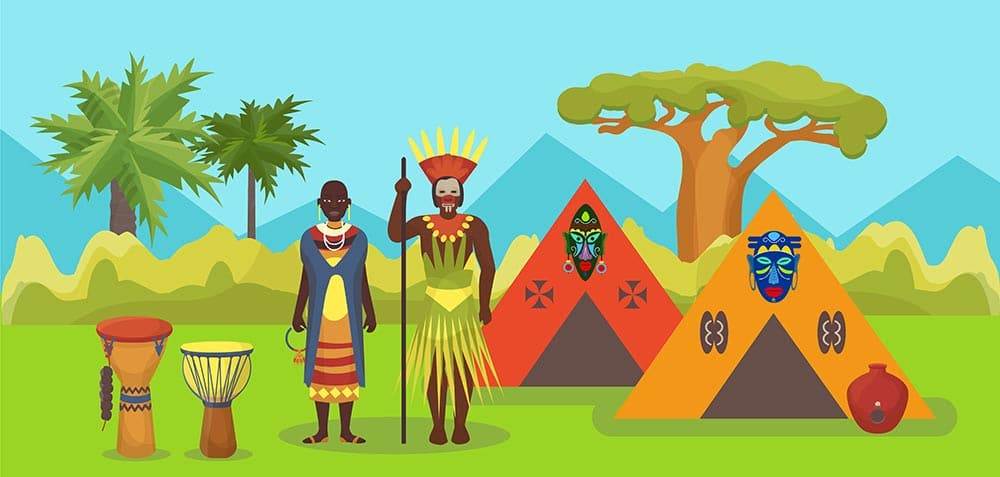
Piercing and body adornment have also played important roles in numerous African and Indigenous communities. Ear, nose, and lip ornaments could carry social, ceremonial, or aesthetic meaning depending on the culture.
Some communities developed traditions involving stretched earlobes or larger pieces of jewelry. These practices should be understood within their individual cultural contexts rather than treated as a single universal tradition.
Piercing in Western Society
For many years, conventional Western fashion primarily associated piercing with a single opening in each earlobe, particularly for women. During the second half of the 20th century, additional ear and facial piercings became increasingly visible through music, fashion, youth movements, and alternative subcultures.
Over time, styles such as multiple lobe, helix, nostril, septum, eyebrow, lip, navel, and tongue piercings entered mainstream fashion.
Piercing Today
Today, body piercing is a widely recognized form of personal expression. Some people choose piercings to celebrate an important moment, reflect their identity, follow a cultural tradition, or simply create a look that feels unique to them.
Modern professional piercing combines this long history of body adornment with contemporary knowledge of anatomy, sterilization, jewelry quality, placement, and aftercare. At Alex Chiong Tattoo Studio, every piercing is approached with precision, professionalism, and respect for each client’s individual style.