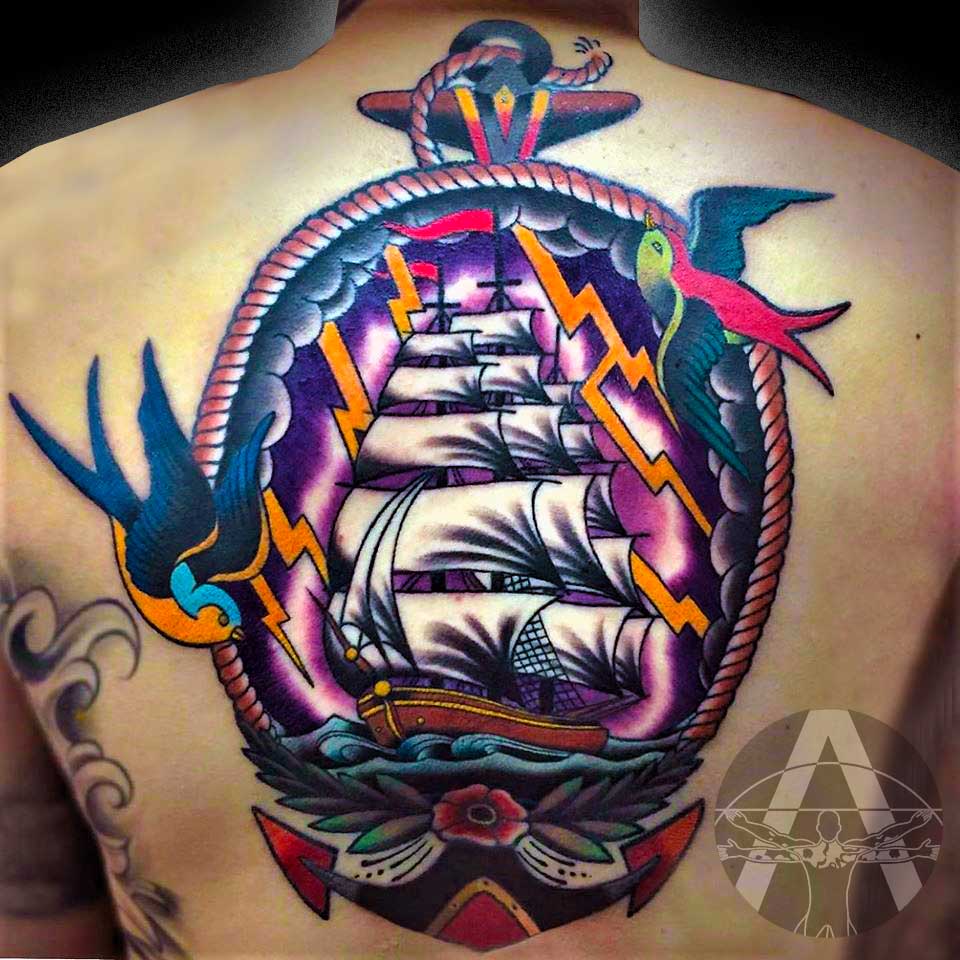
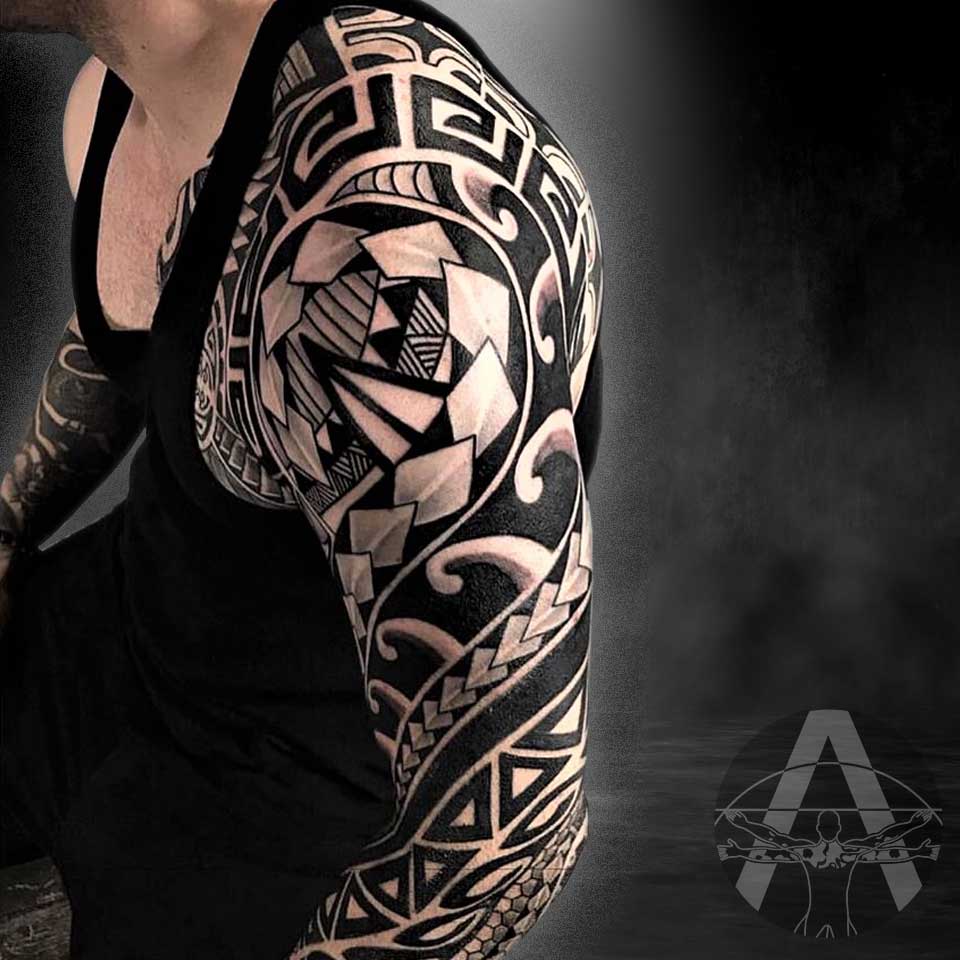
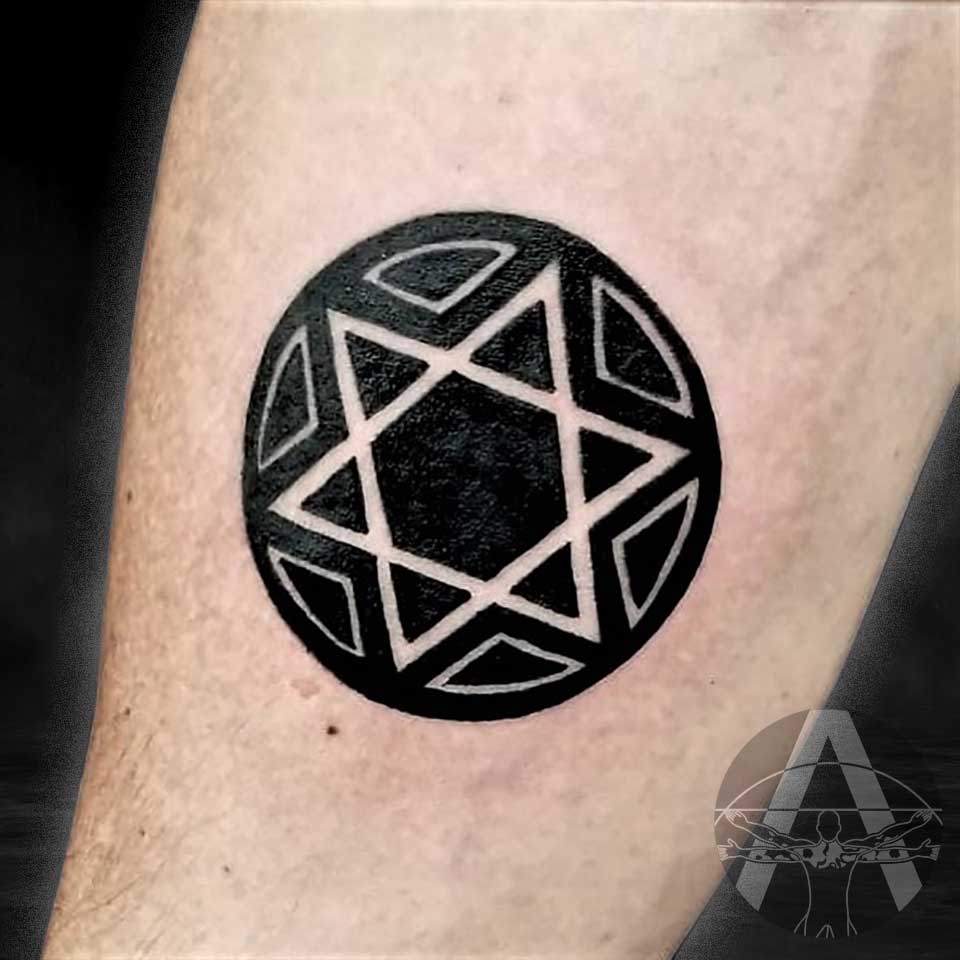
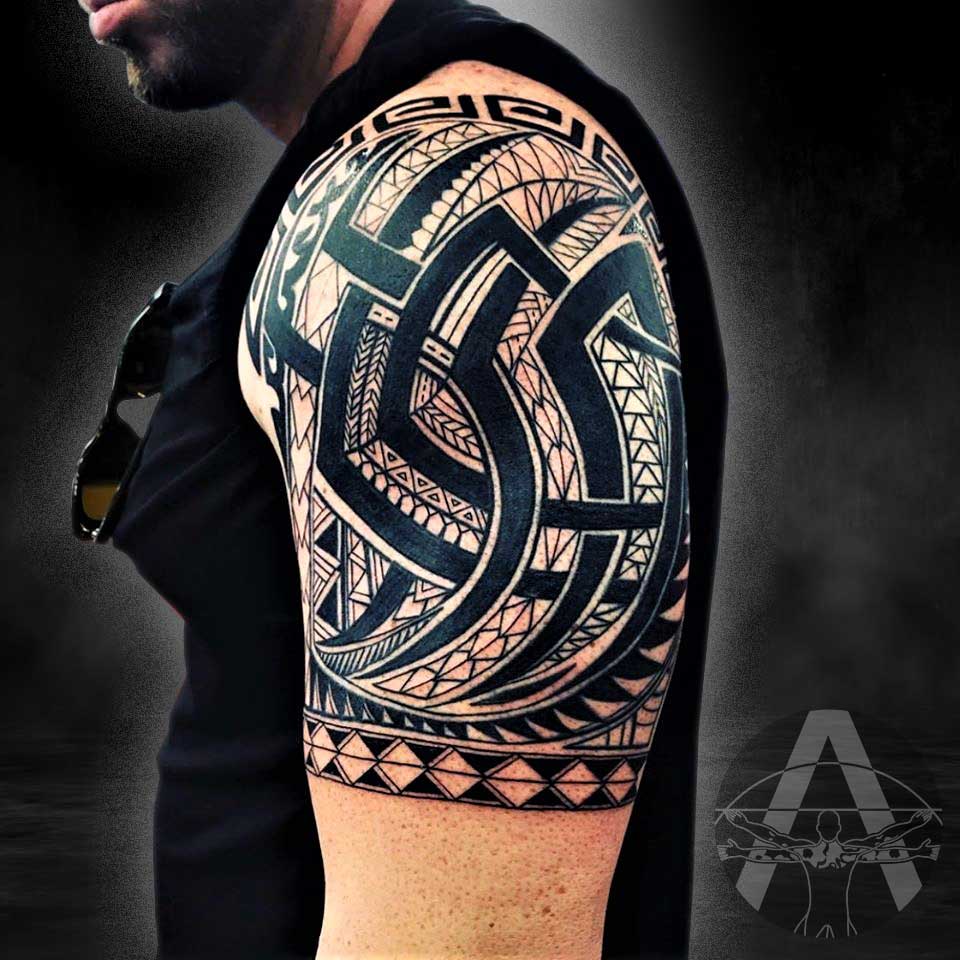
How Tattoos Are Made at Alex Chiong Tattoo Studio
A tattoo is much more than ink placed on the skin. It is the result of thoughtful design, technical precision, professional preparation, and a close collaboration between the client and the artist.
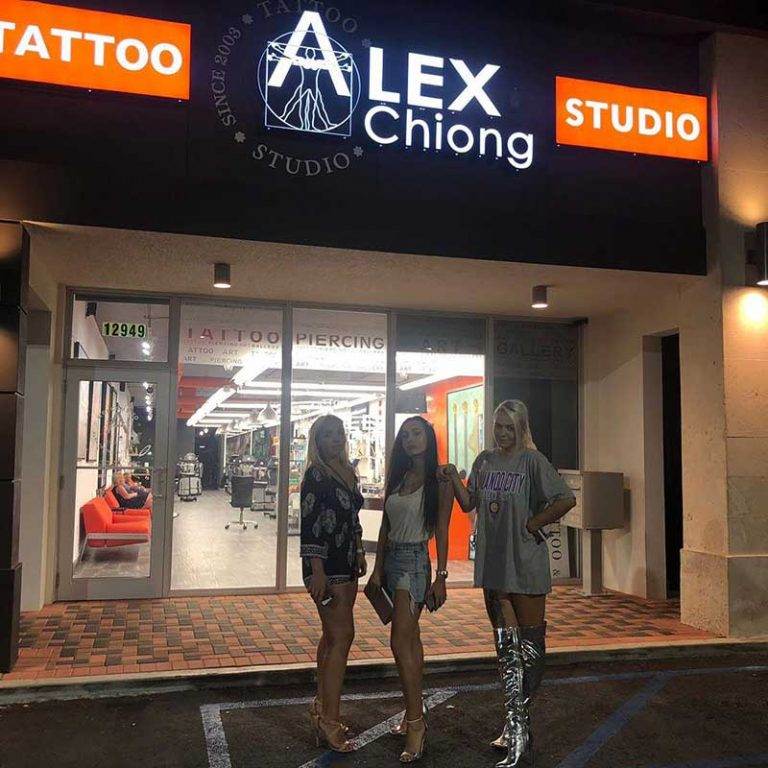
At Alex Chiong Tattoo Studio in North Miami, every tattoo is approached as a custom piece of art designed to complement the body, reflect the client’s vision, and maintain its visual strength over time.
1. Consultation and Creative Direction
The process begins with a conversation. During the consultation, the artist learns about your idea, preferred style, references, placement, size, and the meaning behind the tattoo.
This step helps determine the best artistic and technical approach, whether the project involves black and grey realism, color realism, fine line work, a portrait, a sleeve, a cover-up, or another custom style.
The artist may also recommend adjustments to the size, composition, or placement so the design flows naturally with the body and remains clear as it ages.
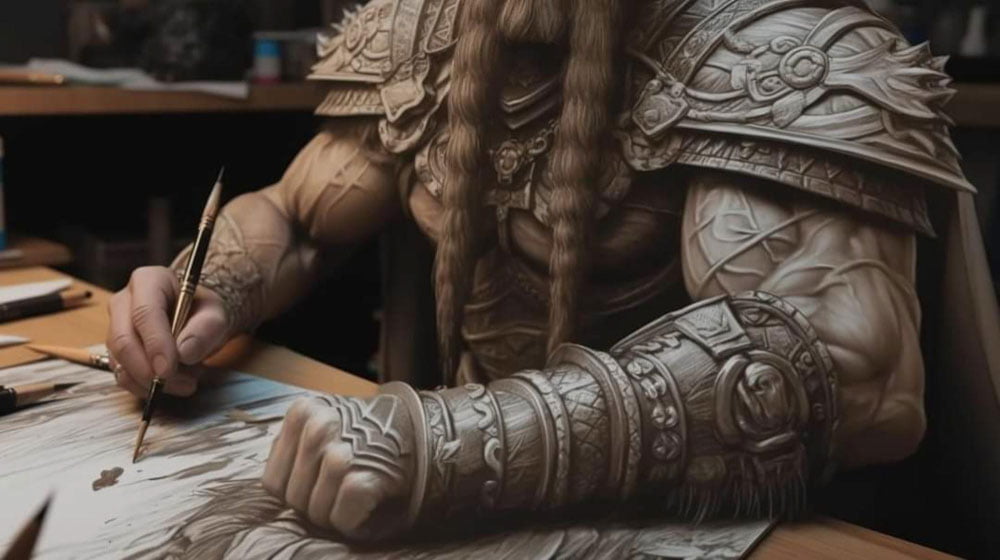
2. Custom Tattoo Design
Once the concept is defined, the artist develops a design specifically for the client.
A professional tattoo design considers more than the image itself. It must also account for:
The shape and movement of the body
The natural direction of the muscles
The available space
Line weight and contrast
Color or shading
The way the tattoo may age over time
Existing tattoos, scars, or skin characteristics
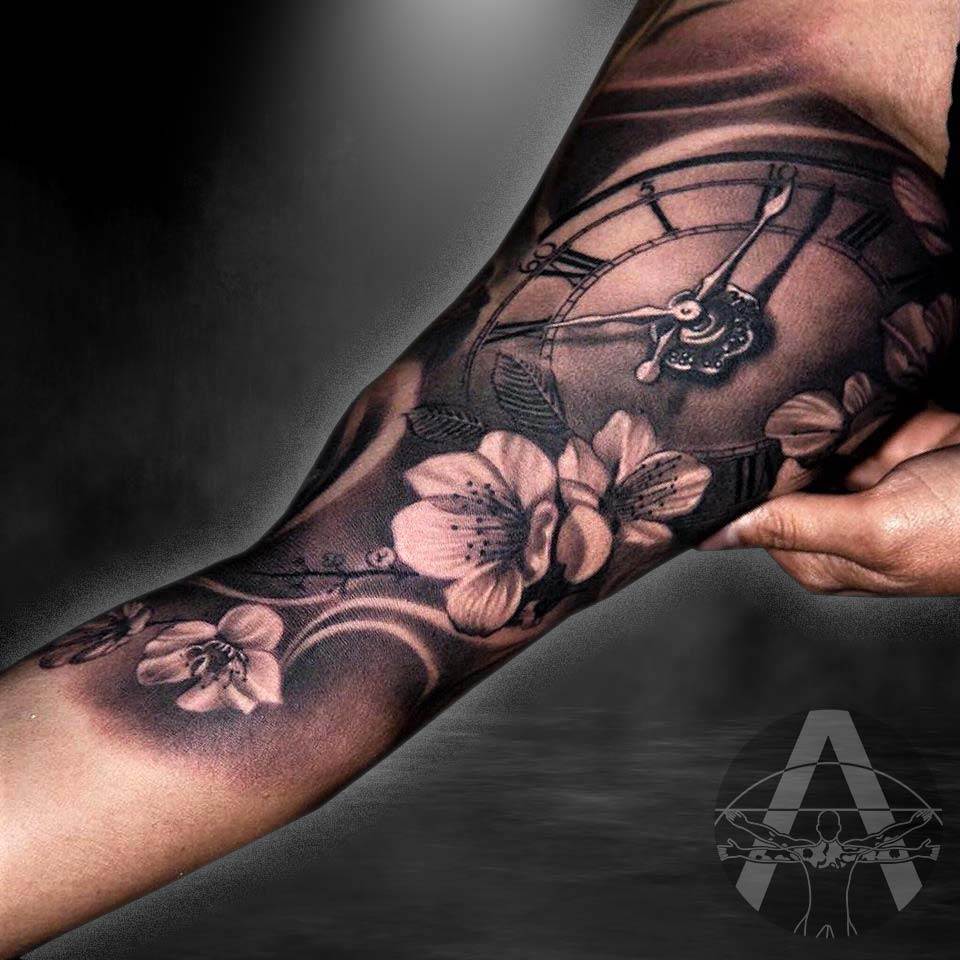
For large-scale tattoos, such as sleeves and back pieces, the artist may plan the entire composition before dividing the work into multiple sessions.
3. Placement and Stencil Application
Before tattooing begins, the design is positioned on the body using a stencil or, in some cases, drawn directly onto the skin.
The client and artist review the placement together, checking the tattoo from different angles and considering how it looks while the body is standing, moving, or resting.
The placement is not finalized until both the client and the artist are comfortable with the size, balance, and orientation.
4. Preparing the Tattoo Area
The skin is carefully cleaned and prepared before the session begins. Hair may be removed from the area when necessary so the artist can work on a clean and unobstructed surface.
The artist then prepares the workstation using professional hygiene procedures, protective barriers, disposable materials, and sterile single-use needles.
At Alex Chiong Tattoo Studio, cleanliness and careful preparation are essential parts of every tattoo session.
5. How the Tattoo Machine Works
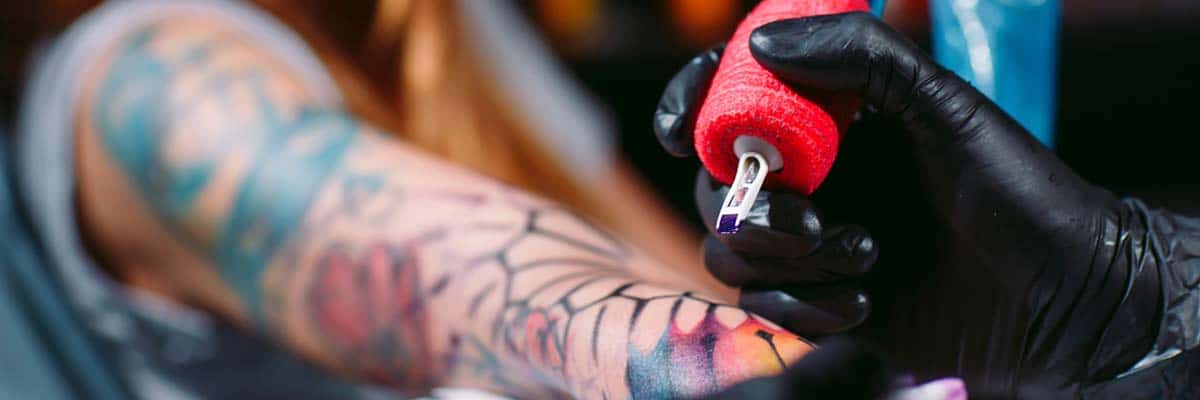
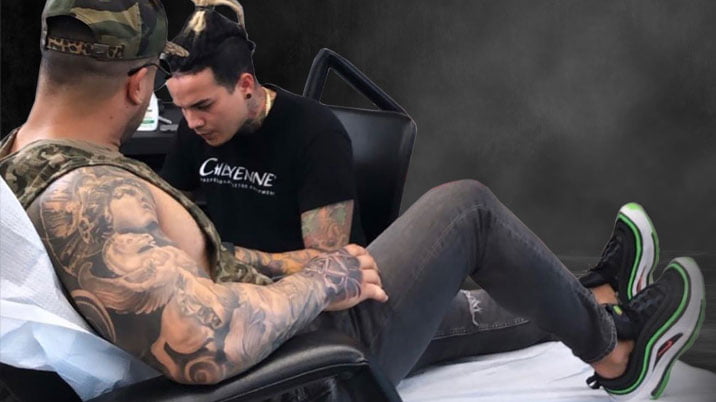
A professional tattoo machine moves one or more needles rapidly up and down, placing small amounts of tattoo pigment beneath the outer layer of the skin.
The pigment is deposited in the dermis, the more stable layer beneath the epidermis. Because the cells in this layer are not replaced as quickly as those on the surface, the tattoo can remain visible for many years.
The artist controls several important factors throughout the process, including:
These decisions require training, experience, and a strong understanding of both skin and visual composition.
6. Linework, Shading, and Color
Depending on the design, the artist may begin with the outline or work through the tattoo in carefully planned sections.
Different techniques are used to create different visual effects:
Linework defines the structure and important details of the design.
Shading creates depth, volume, contrast, and realistic transitions.
Color packing builds solid, vibrant areas of pigment.
Fine line techniques require controlled, delicate application.
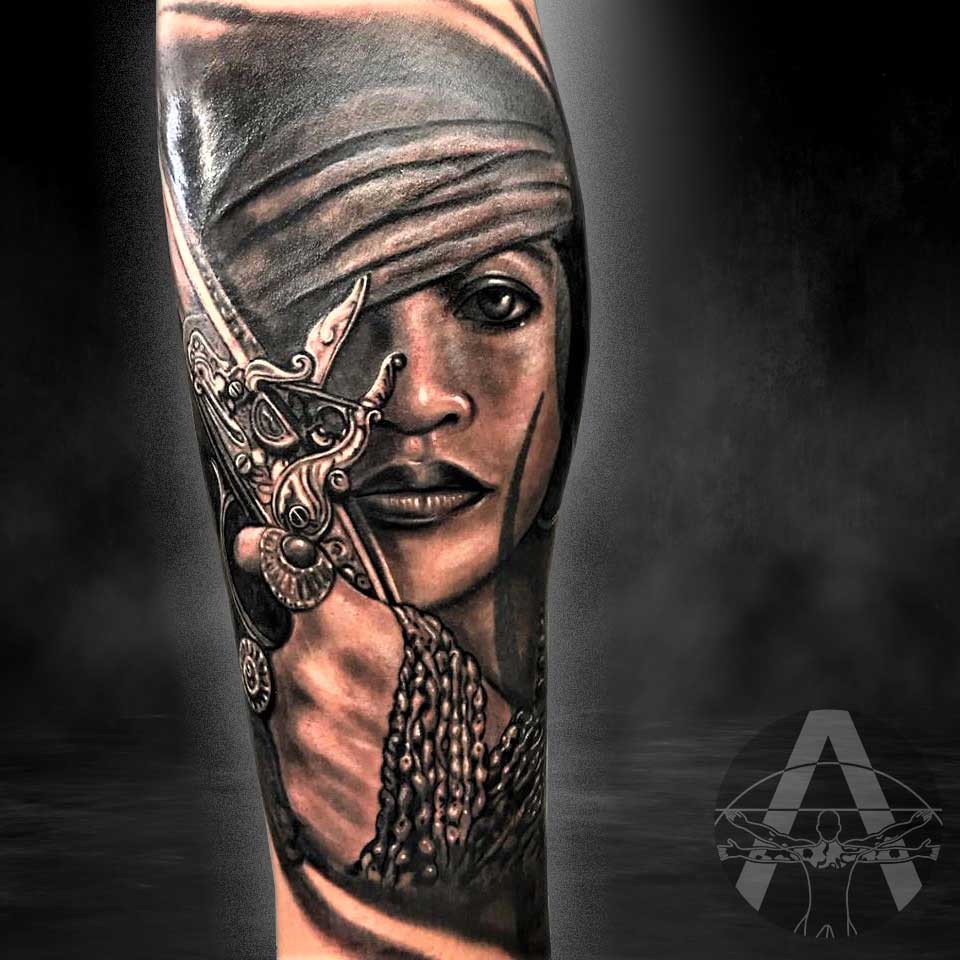
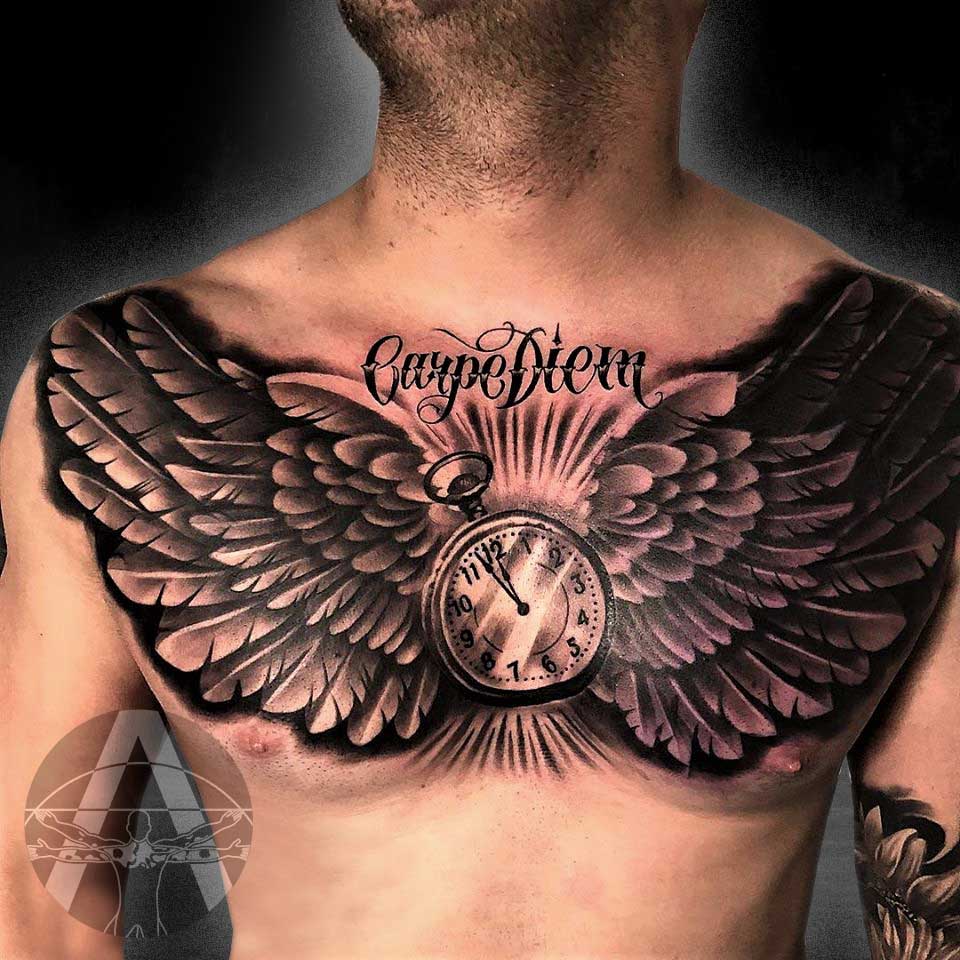
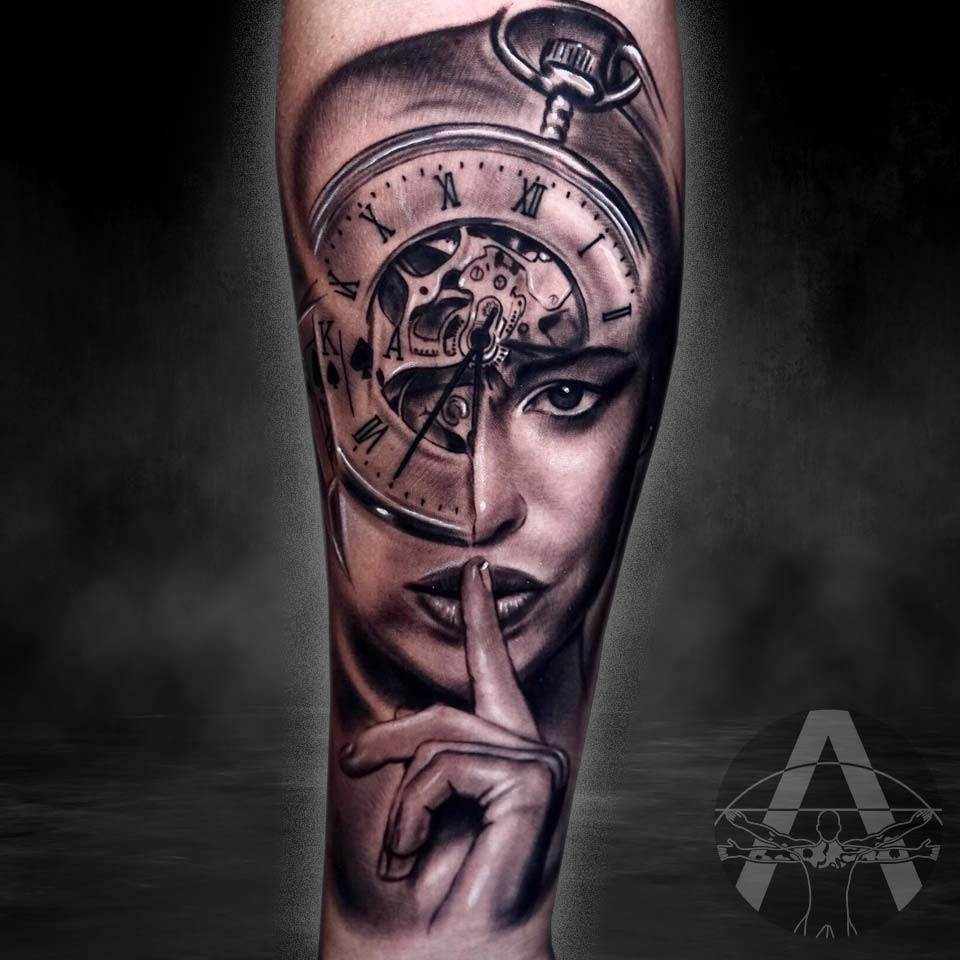
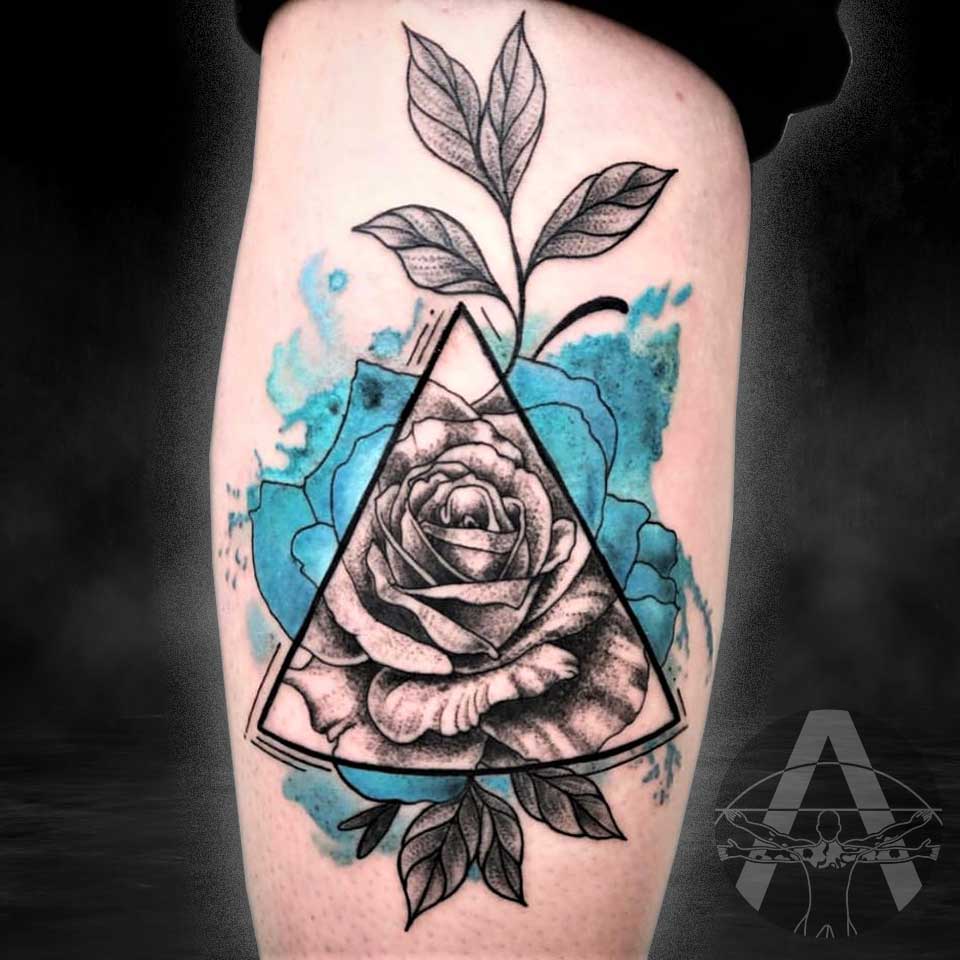
Black and grey realism relies on layered tones, smooth gradients, and carefully managed contrast.
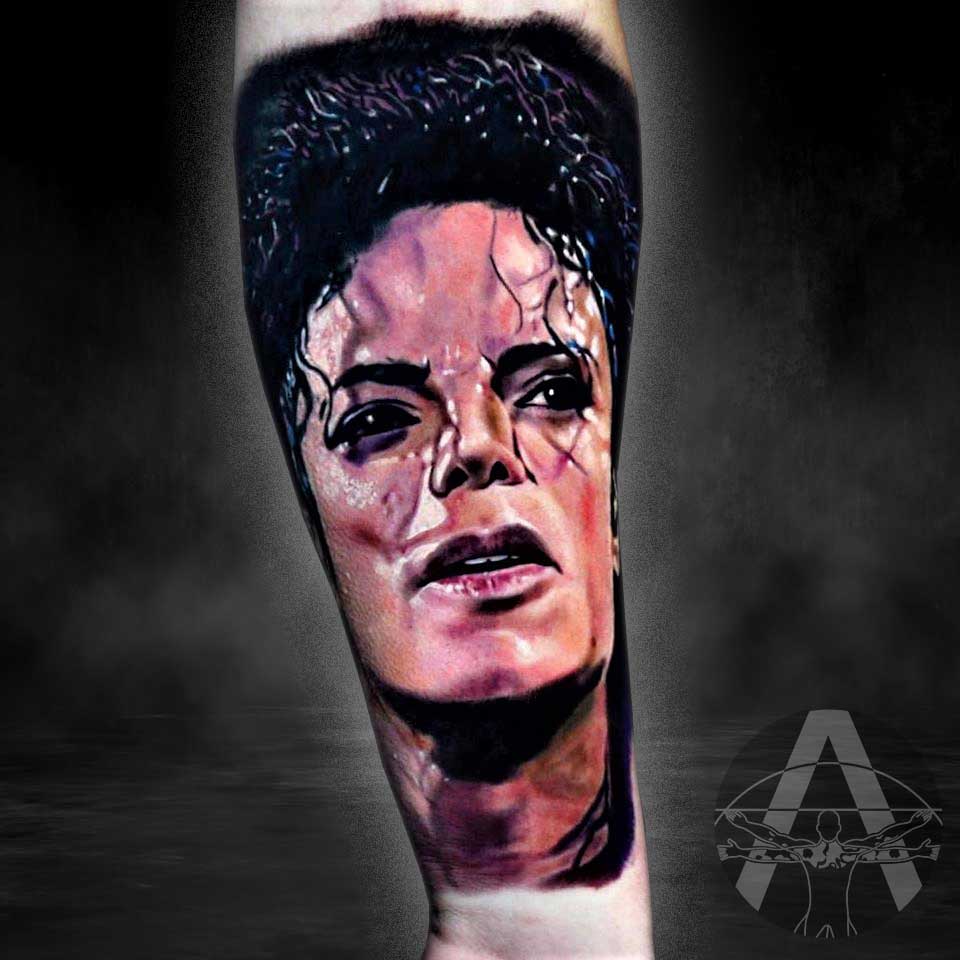
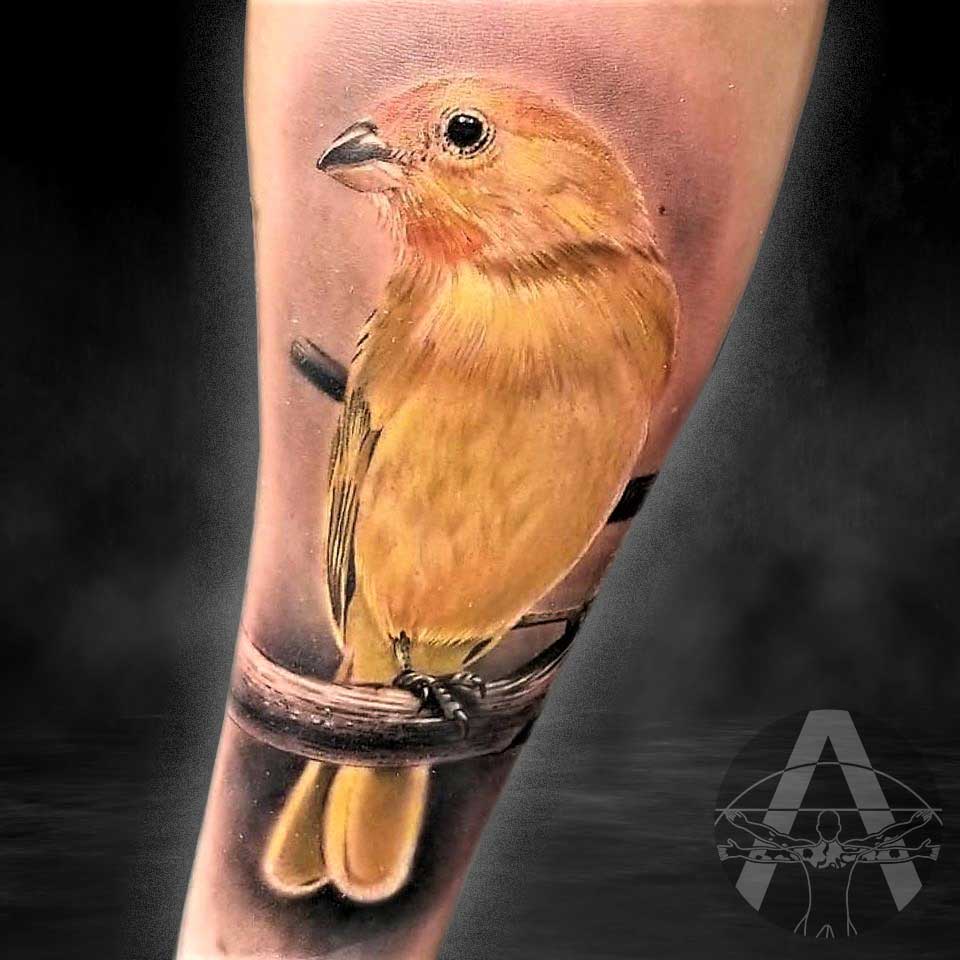
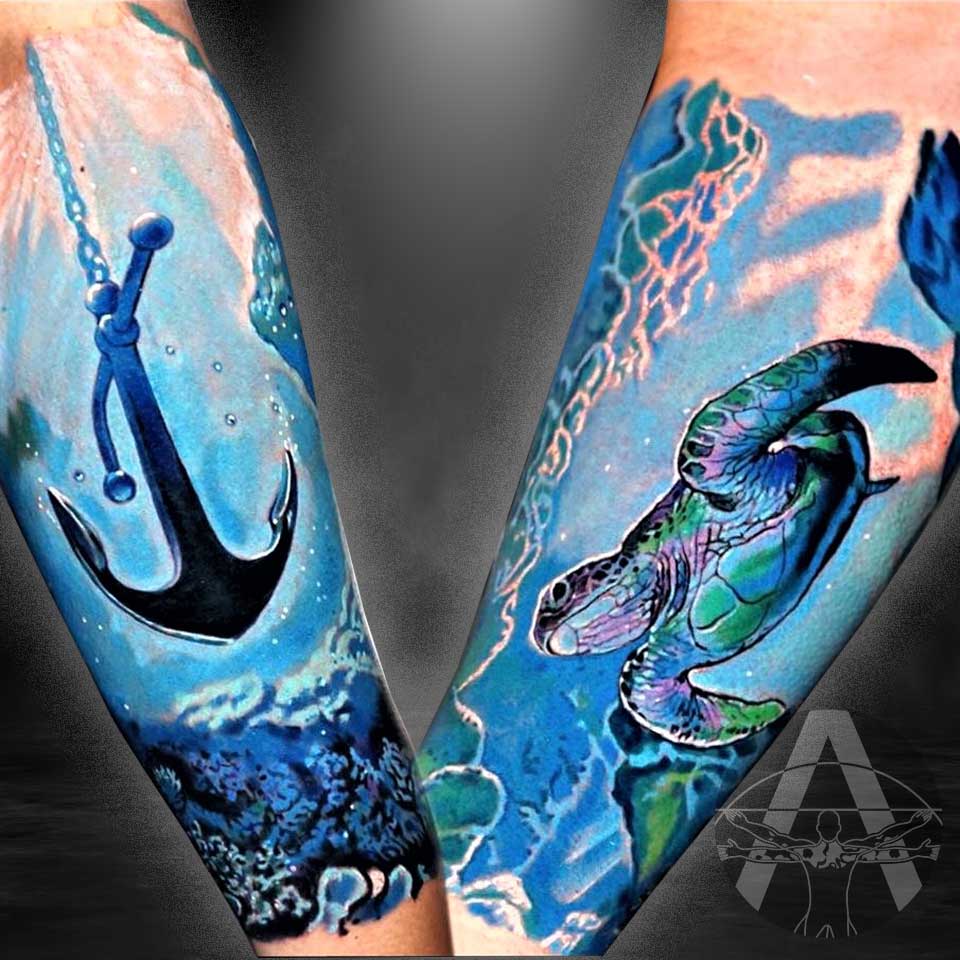
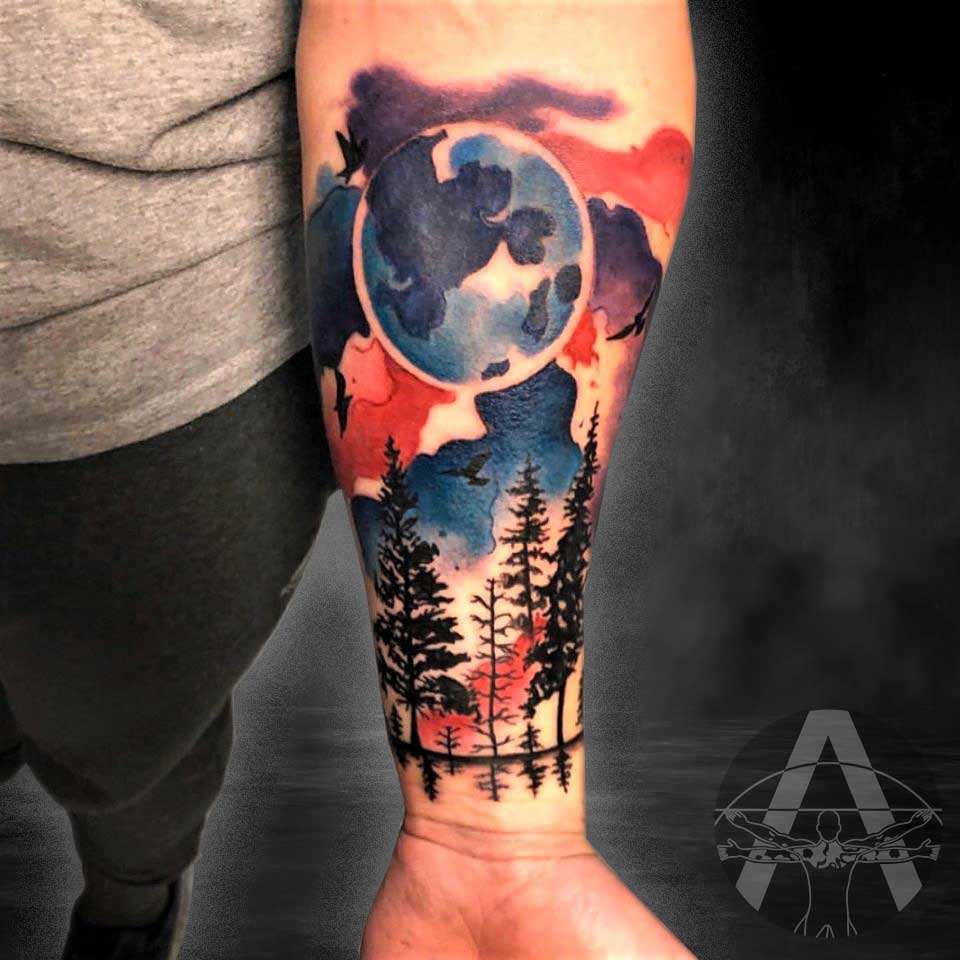
Color realism combines precise detail with balanced saturation, highlights, and dimensional shading.
Every style requires a different combination of needles, hand movements, and technical decisions.
7. The Artist’s Role
Professional equipment and quality pigments are important, but the final result depends heavily on the artist’s experience, technique, and artistic judgment.
The artist must understand:
How skin responds during the session
How to maintain consistent depth
How to create smooth shading
How to avoid unnecessary trauma to the skin
How the design will heal
How the tattoo will look from different distances and angles
How to adapt the technique to each client and body area
At Alex Chiong Tattoo Studio, our artists combine technical skill with creative direction to produce tattoos that are personal, balanced, and thoughtfully executed.
8. Cleaning and Finishing the Tattoo
Once the tattoo is complete, the area is carefully cleaned and inspected. The artist checks the linework, shading, color, and overall finish before applying the appropriate protective covering.
The client then receives clear aftercare instructions explaining how to clean and protect the tattoo during the healing process.
9. Tattoo Healing and Aftercare
Healing is part of the tattoo process. The final appearance of the tattoo depends not only on the artist’s work but also on how the client cares for the skin afterward.
Clients should follow the artist’s instructions carefully, which may include:
Keeping the protective covering on for the recommended time
Washing the tattoo gently with clean hands
Using the recommended aftercare product
Avoiding scratching or picking
Avoiding pools, beaches, and prolonged soaking
Protecting the tattoo from direct sunlight
Wearing clean, loose clothing when appropriate
Healing times vary depending on the size, placement, style, skin type, and individual response.
Start Your Tattoo Journey in North Miami
Every tattoo begins with an idea and develops through consultation, design, preparation, technical execution, and proper aftercare.
Visit Alex Chiong Tattoo Studio at:
12949 Biscayne Blvd
North Miami, FL 33181
Our team will guide you through every stage of the process, from your first concept to the final healed result.
Ink Evolution, Redefining Miami’s Tattoo Studio Concept.